

Translated from the Chinese by Red Pine (Bill Porter)
This piece is part of our Winter 2023 print issue, available for purchase here.

Xin Qiji 辛奇疾 (1140–1207) was born in North China in the city of Jinan 濟南. North China had been invaded and conquered several decades earlier by a semi-nomadic people known as Jurchens, and the Song dynasty court was forced to relocate to Hangzhou 杭州, south of the Yangzi. As a young man, Xin Qiji led an army of ten thousand fellow Northerners in fighting the Jurchens. His exploits have become legendary, and he is easily the most heroic Chinese poet who ever lived. When he was 21, he finally traveled south with his army and was welcomed by the Song emperor Gaozong 高宗. He was hoping to enlist the Song court in fighting the Jurchens, but the rulers of what was now called the Southern Song dynasty were more interested in continuing the indulgent way of life that had led to their loss of North China. Xin was eventually forced into early retirement at the age of forty-one and spent the last twenty-six years of his life living in the mountainous area of Jiangxi 江西 province near the town of Shangrao 上饒 and writing poems, especially lyric poems, poems composed to melodies—melodies, however, that have been lost. The following is a small selection from the 120 translations (of his 630 lyric poems) I will be publishing with Copper Canyon at a date yet to be determined.
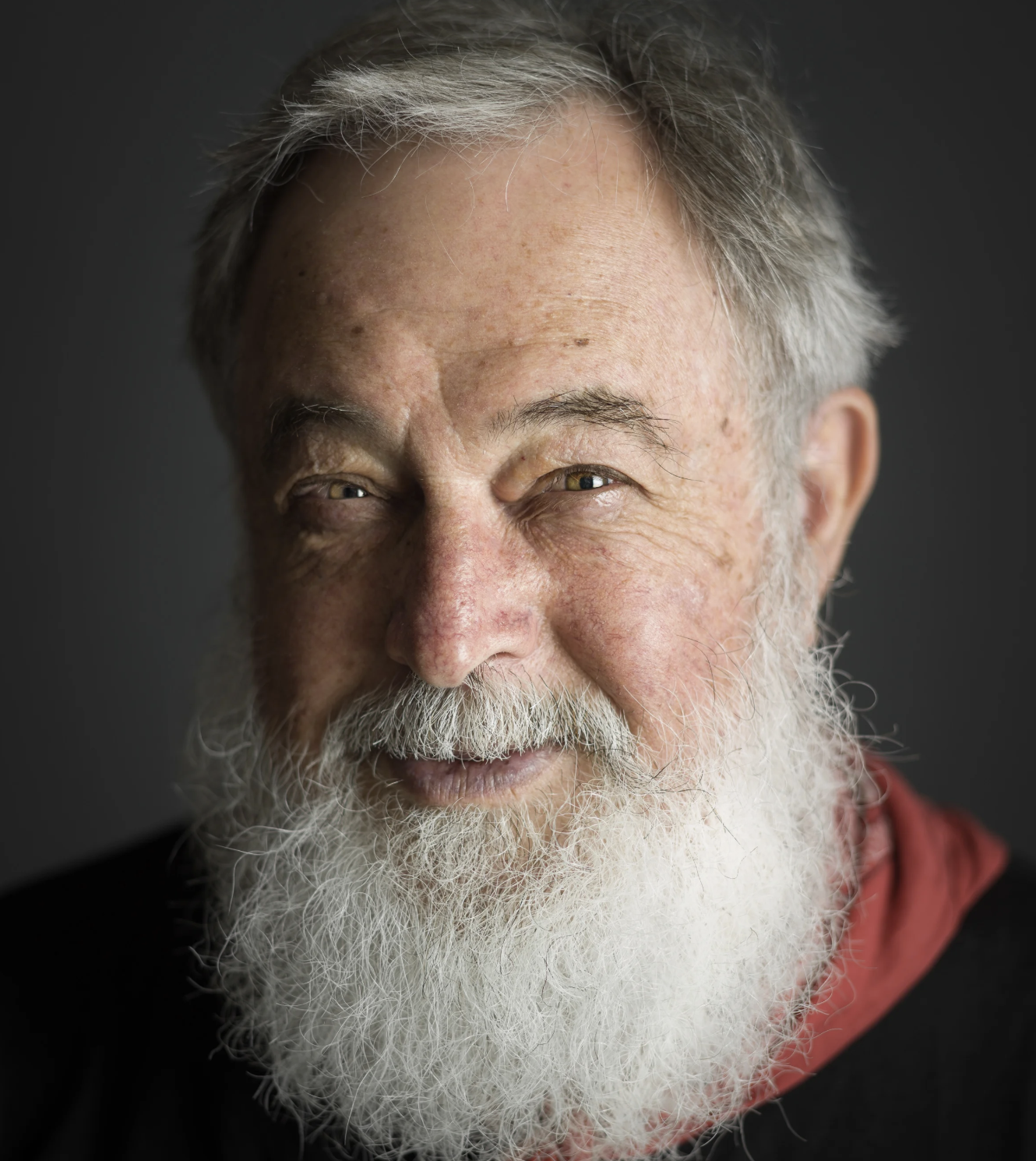
Bill Porter (Red Pine) was born in Los Angeles in 1943 and grew up in Northern Idaho. After a tour of duty with the US Army, he attended college at UC Santa Barbara, where he graduated with a degree in anthropology in 1970. While attending graduate school at Columbia University, he became interested in Buddhism, and in 1972 he moved to a Buddhist monastery in Taiwan. After more than three years with the monks and nuns, he struck out on his own and supported himself by teaching English and later by working as a journalist at English-language radio stations in Taiwan and Hong Kong. In 1993 he returned to America, and he has lived ever since in Port Townsend, Washington, where he has supported himself as an independent scholar. Over the past thirty-five years, he has published twenty books containing his translations of Buddhist texts and Chinese poetry as well as accounts of his travels in China. In addition to two NEA translation fellowships, a PEN translation award, the inaugural Asian Literature Award of the American Literary Translators Association, he has also been honored with a Guggenheim Fellowship, which he received to support work on Finding Them Gone, an account of a pilgrimage to the graves and homes of China’s greatest poets of the past.


