

Stories can foster empathy and expand the boundaries of the self, qualities much needed during these chaotic, dark times. This spring we bring you a gifted collection of works of art, from three novel excerpts to three short stories. While these pieces span time from the fifties to the future, and while they vary in tone from the lyrical to the ironic, they all share compassion for the marginalized.
In Elizabeth Searle’s dramatic opening of her almost-finished literary thriller LOCK HER UP, we are immediately drawn into this suspenseful tale of a divided family and violent crime. “I was a good girl. Before I went viral, before anyone chanted about locking me up or threatened me with death (at first only online), I never expected to be arrested. When I first got handcuffed, I couldn’t stop crying. Wondering: how can this be happening to me?”
In Eric May’s first two chapters to his new novel, this section titled “The Early Married Life of Joyce and Roger,” we encounter the already stressed newlyweds. “As with DC, they found Lincoln Park people to be friendly for the most part. None of these friends were Black because Lincoln Park didn’t have very many Black people. Which didn’t bother the couple. After their years in college and DC, they had unconsciously grown accustomed to such demographics.”
In the opening of Al Davis’s ironic story “Lottery” from a new novel of linked stories, we find his protagonist Withers musing, “After Sharon’s death, shot dead on the street on her way to his place, possibly by a stray bullet, Withers lost his art. His photography exhibits, Men with Beards and Beautiful, Beautiful, Turds, had put him on the map. And now, after her murder, Pictures of Sharon. What did it matter? One solitary bullet, whether intended or not, had taken her out like the trash.”
In Richard Downing’s “You’re a comedian? Me too,” Buddy Sego is a misogynist comedian in the 1950’s who is suddenly zapped into the 2020’s and must grapple with a very different kind of audience. Downing writes, “Buddy Sego had the “it” factor plus. Indefinably, indisputably present. Can a man be both brutal and boyish? The Moms loved him. Edgy but with that hint of vulnerability. The daughters wanted him—wanted wholly misogynistic, vaguely dangerous Buddy in a time when misogyny did not yet exist.”
Part of a debut short story collection that will be released in late 2025, Patrick Joseph Caoile’s lyrical “Tales from Manila Ave.” introduces us to immigrants who rally around the beloved caretaker of their building: “People often disappeared from our apartment building on Manila Ave. At least that’s what Kuya Jem used to tell us. He wasn’t really our brother. That’s just what everyone in our building called him—Kuya.”
Susan Levi Wallach’s poetic “Dancing for Harry” introduces us to an unhappily married woman who searches for excitement and meaning: “The first time I danced for Harry, he would not look at me. His eyes stayed fixed on something just over my shoulder or above my head, so that though it seemed he was watching me as I moved, he really wasn’t.”
Each of these stories takes on a problem of our time, whether it be ennui, violence, or prejudice, and depicts the struggles we can face but also the moments of kindness and transcendence of the spirit.
Lee Hope, Founder and Fiction Editor
Karen Halil, Associate Fiction Edito

Lee Hope, is the author of the novel Horsefever, a finalist in the Midwest Book Awards. She is a recipient of a Pennsylvania Council on the Arts Fellowship, and a Maine Arts Commission Fellowship for Fiction. She has published stories in numerous literary journals such as Witness and The North American Review. She founded and directed a low-residency MFA program and has taught at various universities. She also teaches for Changing Lives Through Literature, which serves people on probation and parole.
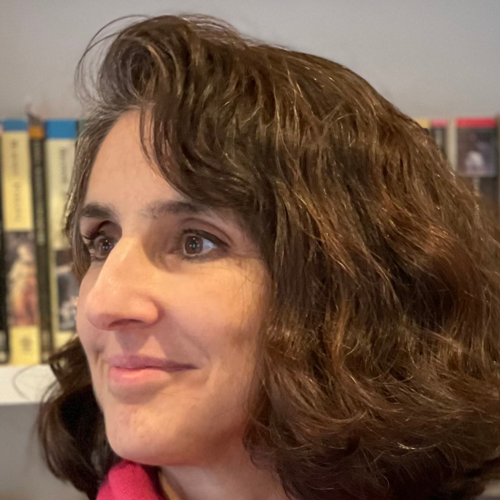
Karen Halil is a writer of Armenian and Lebanese heritage from Turkey. Born in Canada, she has since become American and now lives in the Greater Boston area. Holding a Ph.D. in English literature, she is a former lecturer at Boston University’s Writing Program and Harvard’s Committee on Degrees in History and Literature. Her earlier short stories and poetry can be found in Canadian literary magazines, and she is currently seeking publication of her debut novel.


