

To all our Solstice readers,
It is with great honor and respect that I step into my new role at the helm of this august magazine, appropriately with this first issue appearing in the dog days of August. I hope this will be an auspicious journey.
Right now it seems like we might be lost in a dark wood, and that we need to find the requisite trust and hope to find the right path to take us away from our fears. I take it as my responsibility to find the voices that truly have something new and different to say and make sure they are heard — even those that repeat what we best need to bear in mind most. The many voices, not just the one to come to a full understanding.
I’d like to thank all of the writers who submitted their work for this contest issue. In my mind, you have already succeeded by raising your voices.
I’d expressly like to thank all our judges – Rajiv Mohabir in NonFiction; Andrea Cohen in Poetry; Leela Corman in Graphic Lit; and Marjan Kamali in Fiction; as well as all our Solstice editors and readers who made this issue possible – for discovering the remarkable voices that need to be listened to. And congratulations to our contest winners. Hear Emily Dickinson’s concern and stubbornness as she admonishes Betsy Sholl to uplift and release the poem-psalm that could move the heavens. Dive through nightmare into Julia Mata’s river to let go of the fear of finding identity. Learn how we inhabit and live with our grief in Sofia Sears’ winning story of love and loss, how maybe warmth and light, and a true-enough love, can break the cold unanswered questions life gives us. And realize that you reside in the other world, in the other room, listening to both the voice of the poet and the voice of the hototogisu that the poet brings to you. Chris Arthur’s noble essay invests new meaning, a new charge to the old saying, “Ars longa, vita brevis.”
The history of literature is a long rendition of the nightmare of some voices drowning others. It’s my hope, with Solstice, to wake writers and readers from that nightmare.
In the coming months, we will all face some momentous decisions. Gather widely and wisely from what you hear from among the voices demanding to be heard, and then make your decision known by what you cast into the wind. If you’re listening, you’re awake. And if you’re awake, you’ll be moving towards something lofty and not idling around sleepwalking. And if you raise your voice, odds are someone else might also be listening. And what you say might help them decide on the best path forward. Hearing the rest of the song is the surest continuation of life.
Remember: Sometimes you need to poke the beast and get it all riled up.
So, here, reader, come in. I welcome you to poke around, and read, and think, and then act widely and wisely.
In solidarity,
Gian Lombardo
Editor-in-Chief
N.B. – While listening to the call of the hototogisu, the lesser cuckoo, as Chris Arthur instructs in his winning essay, our male cat darted into the room all alert, eyes searching for the bird that dared intrude into the house. He signaled that he heard, and was ready and eager to meet his prey and was wondering where in hell it was.
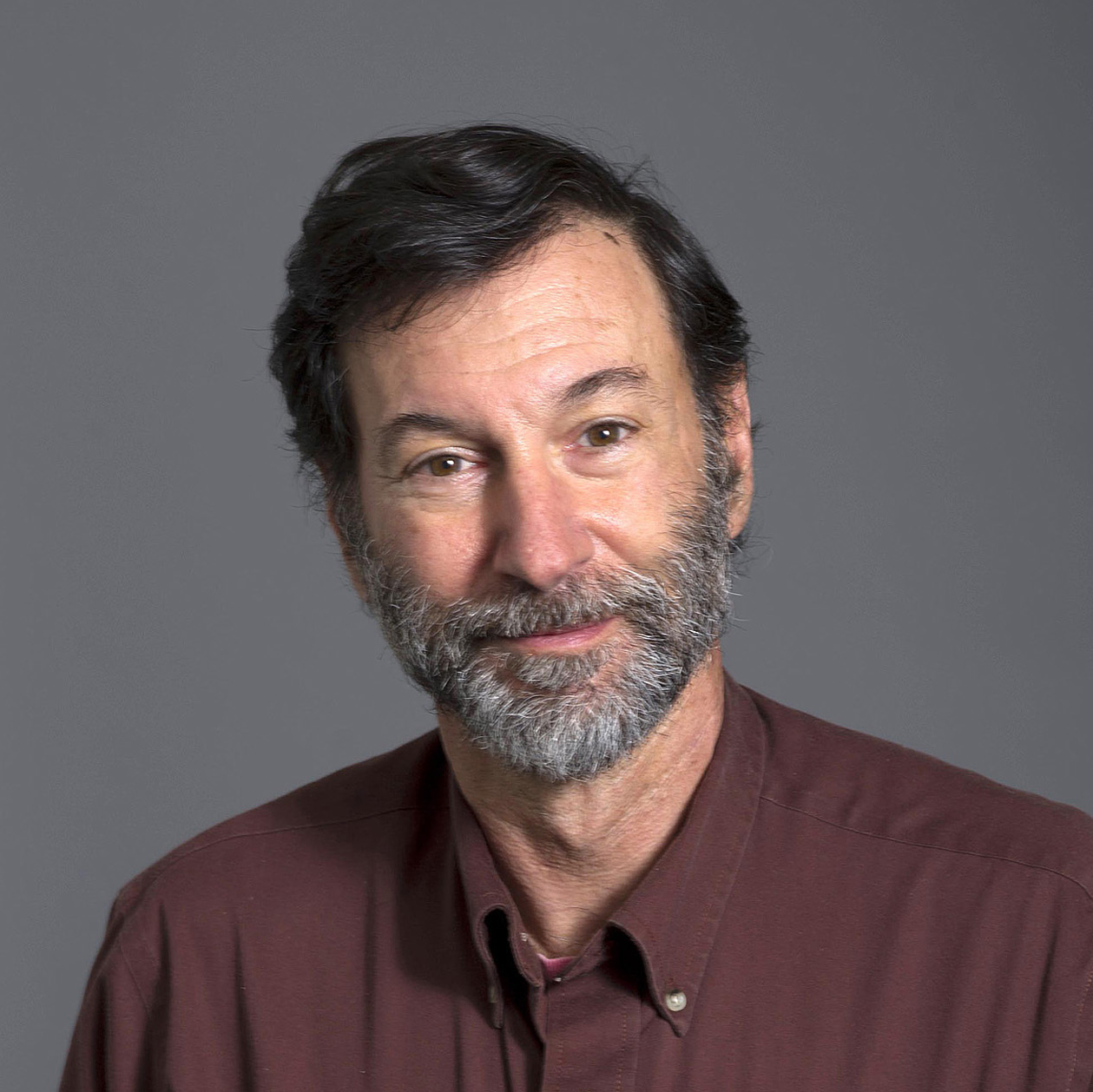
Gian Lombardo taught publishing for 23 years at Emerson College in Boston, Massachusetts. He directs Quale Press, which mainly publishes prose poetry. His books include the prose poetry collections Start of Something Beautiful (2023), Bricked Bats (2021), Machines We Have Built (2014), Who Lets Go First (2010), Aid & A Bet (2008), Of All the Corners to Forget (2004), Sky Open Again (1997), Before Arguable Answers (1993), and Standing Room (1989), as well as the poetry collection Between Islands (1984). In 2022, his translation of Louis Bertrand’s Gaspard de la Nuit: Fantasies in the Manner of Rembrandt and Callot appeared. Other of his translations include Michel Delville’s Anything & Everything (2016), Archestratos’s Gastrology or Life of Pleasure or Study of the Belly or Inquiry Into Dinner (2009), Michel Delville’s Third Body (2009) and Eugène Savitzkaya’s Rules of Solitude (2004).


