

1.
The man’s grey eyes, no light in them. The tug on the corners of his mouth rendering a smile impossible. Lucy had seen a look like that before. It was why she was lingering on the grassy clifftop too, downwind and not as close to the edge as him but not far off, pretending to be absorbed by the waves cresting and crashing below while observing him raise a cigarette to his lips and try to light the sagging thing, his lighter sparking, sparking, sparking, the wind weaving around his cupped hand to snuff, snuff, snuff.
They were alone then they weren’t. An older couple in neon-blue raincoats, who’d been lagging behind her lagging behind him since she set out on the trail, had caught up and, not wanting to intrude on the man’s troubled air, or on hers, they didn’t deviate towards the cliff, keeping their eyes on the dirt path ahead, then passing by, and, of course, in the sense that mattered more, the man wasn’t less alone when others wandered into his proximity or with Lucy there. He probably hadn’t even registered her presence.
A blast of wind pinpricked raindrops across her cheeks and lashed her scarf across her glasses, dislodging them and forcing her to turn away to fix them in place, and, when she turned back, the man had stepped forward, his unlit cigarette was down by his boots, and he was peering over the edge, anger on his face, and she stretched her hand out and said, ‘You don’t—You shouldn’t do that!’
And he turned, stunned.
She stepped closer, scared as she did that he’d step backwards and over the edge, but he didn’t move and she had to say something else now, before he denied or justified his intentions, so she said, ‘My husband, he’s why I’m here today. Hartley. Hart. My Hart. He jumped, he fell. Convinced himself it was the only way and, if he could have trusted someone, trusted me, shared the weight, you know, it would’ve been halved. And it doesn’t have to be this way. You don’t have to be alone. Please. Step away and we can talk, about anything. I promise not to judge. I can be a good listener, if you take the chance of trusting a stranger. Please.’
He looked mystified by everything she was saying but he said, ‘Okay. Thank you.’
Walking back down the trail, they exchanged names—his was Dominic—and were otherwise silent until they reached the car park at the bottom and he asked, ‘Should we get a drink?’
It was noon on a Sunday. She said, ‘I’m guessing drink might be part of your problem.’
He almost managed to smile but it was a failure. ‘You’re right, you’re right.’
‘How about a coffee?’
So they walked into the village. There were more cars parked along the streets and more boats docked in the horseshoe-shaped harbour than there were people about, and they got coffees to go from a tidy little café and, undeterred by the convictionless sprinkles of rain, they went out onto the pier and sat on a bench, rotted wood on squat stone legs, that faced the sea.
She let him speak first and, hunching forward in his thin clothes over his thin body and gripping his coffee in both hands, he struggled. ‘I don’t want to—I wasn’t—I mean, I’m grateful and, we don’t know each other, you don’t owe me a—I’m fine, bad day but fine, and I don’t like to complain. I’m not—’
He kept meeting her eyes then looking away. Life doesn’t give you many chances to make a difference with someone who’s on the precipice of doing something they can’t take back, and she had to get this right.
She held his gaze longer and said, ‘Dominic, the more you complain, the more I’ll feel useful. Hart, my Hart, he drank and did other things, it closed him up, and I wish he’d been more open. I lost him seven years ago today and I don’t think you could say anything, big or small, I couldn’t handle. And if you regret what you confide, you’ll never have to see me again, so what have you got to lose?’
He set down his coffee. Patted his pockets, probably looking for his cigarettes. Thought better of it. Regripped his coffee.
He prefaced what he scornfully called his ‘list of woes’ by telling her he hadn’t suffered any tragedies as devastating as hers and wouldn’t claim he had. His mother was dead, that was the worst thing. Died last year, brain aneurism, happened fast, and she’d left a hole in his life, she saw the best in him, but he had his father, they didn’t get on but he had him, and he was thirty-two, an age where you were supposed to be able to cope, but he wasn’t proving himself to be a good coper. He had a girlfriend who said he let things get to him too much and he wasn’t confident enough, then she undercut what confidence he had by leaving him, but that was before his mother, so it was about time he got over that one, and, more recently, two days ago, he lost his job. Well, no, he didn’t ‘lose’ it, he was fired with immediate effect. He was a nightwatchman for an office building in the Silicon Docks and he was caught on camera sleeping with his mouth open like a volcano about to spew, it was a miracle he didn’t tip off his chair, and there was a break-in, fancy computers were stolen, so hand up, he wasn’t great at the ‘night’ part of his job, or the ‘watch’ part, and, once his father found out, he was a guard, he’d say it was the ‘man’ part where he was most deficient, and the timing couldn’t be worse because the lease on his studio flat was up, he had two weeks before he had to be out, but good luck finding somewhere to live in Dublin without a job and good luck finding a job without a reference, or with a reference that had ‘fuck-up’ stamped on it, and, that was it, he was a motherless, jobless, prospectless, about-to-be-homeless fuck-up, he was addicted to being bad at life, and nobody would be too put out if he wasn’t, if he, he was sorry, nothing more pitiful than a grown man feeling sorry for himself, the world would be better off, but he didn’t mean it like that.
Lucy squeezed his forearm and it was as narrow as the rest of him but there was a wiry strength in it and, while he had an underfed look, she suspected he was a more robust person than he appeared to be at first glance, and she detected nothing aggressive in him and that mattered if she was going to make him the offer she was thinking about. He was taller than her but she was larger—despite her diets, she thought she had an overfed look—and he was learning about himself, vulnerability does that for you, and, being someone who’d been laid low as well, she could relate to the position he was in.
She said, ‘When life kicks our asses, Dominic, we have to do whatever it takes to get back on our feet, limp along, and straighten out our walk. You strike me as having a good heart, it’s the main thing a person needs, and it isn’t your fault if you have addiction issues, that’s illness, and I—’
‘I don’t know if I—If I have a good heart. There’s a case for and against.’
‘Don’t you think you’re too hard on yourself? Losing your mother is a tough blow. And, okay, you weren’t the world’s greatest nightwatchman, but it was unlucky for your building to be burgled on the one night you nodded off.’
He shifted on the bench and looked to the sea. To Lucy, the waves seemed more controlled, less dangerous, than they had from above, but maybe he perceived them differently.
‘It wasn’t one night. The burglars were pulled over with their haul in the back of their van after running a red light and they admitted they’d been casing the building for a while and had seen me sleeping through the windows, night after night, so I was the weak spot which convinced them to rob us. I mean, I really deserved to be fired.’
Lucy suppressed a laugh, which made him laugh, and she said, ‘Well, your luck is looking up.’
‘It is. I owe you for this so thank you. You might be a saint, Lucy.’
‘No, go away with that, and what I was getting at is that you don’t have to worry about homelessness. I have a spare room. You can have it for as long as you need. Rent-free.’
He laughed again, then, seeing she was sincere, he said, ‘I couldn’t take advantage of your generosity like that.’
2.
But he did take advantage, that was how he saw it, agreeing to move in with her on the following Sunday, and, while he gave her chances to change her mind during their intervening text exchange and she insisted she could do with the company, they knew, certainly he knew, the favour was one-way. Then when he arrived on her doorstep, with his possessions packed into two suitcases and a gym bag, and she gave him the tour, he realized her favour was even bigger than he’d thought.
Her house was two stories, three if you counted the attic, which had been converted into a ‘man cave’ for Hart that she didn’t use but he could. Room after room, the windowless cave excluded, was filled with light shining off of white walls and varnished wooden floors, and the spare room she was gifting him was half the size of the flat he’d left. On the far side of the open kitchen/dining room, high French doors led into a green garden divided by a slab-paved path with a patio and a small pond at the end. In this market, the house must have been worth a million, minimum.
As Lucy explained in an apologetic tone, Hart was an English posh boy but she was a culchie who didn’t have her own room until she left home, and she didn’t marry into money for the money, she’d have married him if he was poor, although she didn’t expect Dominic to believe that.
They had this conversation over a roast dinner—subsisting as he did on ready meals and takeaways, it was his first home-cooked meal since his mother died—and, with its goodness and how she gave him double the number of roast potatoes she gave herself and three slices of turkey to her one, he had a lump in his throat eating it.
He asked why she did marry Hart, and she said, ‘I was warned not to. He warned me. But I loved him. It was that simple and that complicated. He was my compulsion. I wasn’t his. Booze and coke were his real loves. It wasn’t healthy, me and him. If it was, he’d be alive today.’
Aside from his cave above, there was little trace of Hart in the house. Dominic had only seen him in one photo. It was in Lucy’s bedroom, framed on a chest of drawers, and the two of them were in some sunny location, she looked so young and happy, she was in her late thirties now and must have been in her twenties then, but, with his silver-fox hair, Hart looked to be in his late forties and, his arm clamped around her, he was grinning like he knew he was getting away with something.
Dominic told Lucy, ‘It’s not your fault,’ and she laughed, kindly, and said, ‘I’m not going to reenact that scene from Good Will Hunting with you, but thank you. There’s a level on which I know that and a level on which I don’t. Working on it. Working on lots of things.’
‘Maybe we can help each other with that, healthy habits.’
She smiled like she was pleased with him and said, ‘You won’t believe me but I was thinking the same thing.’
She kept saying he wouldn’t believe her and she was wrong. He was prepared to believe anything she told him.
They spent the evening discussing how to be healthier. It was nothing radical. They agreed with the general ethos of ‘healthy body, healthy mind’ and thought they needed to exercise more, eat better, and sleep better, and, while he was inclined to skip meals and she was inclined to comfort eat, they had similar patterns of making in-roads in one area or more before their discipline tailed off, but maybe by having an accountability partner they could discover a more sustainable approach.
So they would exercise together and eat together and, no, there wasn’t a third thing. Their relationship, whatever it was, was too new, too full-on yet tenuous, to test its foundations with a joke, or not a joke, about them sleeping together.
And Lucy had some ground rules for living with her—no drinking, no drugs, no smoking—and some advice she felt he should take, that he try AA, and Dominic agreed to all of it.
If there was a catch to living with her, it was that, more than just helping him, she wanted to fix him, but it wasn’t much of one. He wanted to be fixed.
She had two jobs. In the mornings, she was a librarian at a local library and, in the afternoons, she drove around delivering meals to the elderly. And, over the following weeks, he adapted his routine to hers. Rising at seven with her, he made them coffee, grinding his teeth against the noise of grinding the beans, and she made them porridge, which they ate along with a ‘fruit of the day’, and, once she appreciated he was incapable of bright-eyed deep-and-meaningfuls first thing in the morning, they limited their breakfast chats to minor goals for the day ahead and assessments of the weather.
When she was out the door, he scoured the internet for jobs, no, he skimmed employment websites before spending an equal, no, a greater amount of time on sports sites. And he did chores around the house, shining surfaces more than cleaning behind or under the furniture, so things she’d notice, and he tended to the garden, keeping the grass mown, and he’d put in an hour at the gym, getting some bang for his buck out of the membership he’d been lax about using, and, back at the house, he’d read in the man cave, taking his socks off and spreading his feet out on Hart’s desk, his table, his couch. He wasn’t normally a big reader but immersing himself in Lucy’s favourite books—Memoirs of a Geisha, Middlesex, the Neapolitan Novels—provided stimulation for his conversations with her later and, in anticipation, the ones he had with her in his head.
After she returned home, they ran, five days out of seven, half an hour in one direction, then back. He had more stamina, he wasn’t tired from working all day, and he reduced his pace to hers, only pushing himself as hard as she pushed him. Still, he was huffing and puffing with her, their form bad, their lungs afire, but they laughed at each other’s red-facedness and got farther week after week.
The hunger they worked up made dinner taste better, and that didn’t just apply to her cooking; it applied to the more basic fare he rustled up on his nights too, the beans on toast, the spaghetti he boiled to the tooth, but he was improving, learning, for instance, not to incinerate the colour and flavour out of a cut of beef, to preserve the pink and tender centre, insights he might not have come to without her guidance.
She wasn’t on his back or a hardliner. Even her no-smoking rule was restricted to inside the house so he was welcome, which meant permitted, to smoke in the garden, but he didn’t. He’d been off cigarettes for months before his brief relapse and, craving her approval more than nicotine, he recommitted to quitting, letting her think it took more effort than it did.
And after he attended a few AA meetings and hated them, he told her he felt like he was performing a crafted monologue when he spoke, it wasn’t from the heart, and he might be better served seeing a therapist, and she was supportive, emotionally—‘you’re trying, that’s what I care about’—and financially, covering the cost.
It was the right move. He was more comfortable with one-on-one confessions and he could imagine telling his therapist the whole truth about himself once he established with her that he wasn’t a bad guy first. And the embarrassment that went with taking money from Lucy spurred him to call his brother to ask if he could use his connections to help him find a job.
Mike was the good son who’d become a guard like their father, and he thought Dominic’s living arrangement was hilarious. ‘Is this Lucy hideous and you’re like her rent boy? Is that what it is?’
‘It’s platonic and she’s doing me a favour. She’s selfless. A beautiful person.’
‘A beautiful person or a beautiful woman? Because a beautiful woman is a beautiful woman. A woman who’s a “beautiful person” is usually hideous.’
‘She’s a beautiful person and a beautiful woman, but if you’re going to—’
‘Relax, Dom-Dom, I’m winding you up. I’ll ask around, see if I can throw you a bone.’
Mike got him a gig as a bouncer on Friday and Saturday nights, doorman stuff, standing out in the cold, dealing with too-far-gone drunks and sixteen-year-olds pleading to be granted entry to the booming hellhole of a club at his back, so a step down from being a nightwatchman with a desk, which was a step down from being a guard, but he could pay his own therapy bills now, and, hopefully, if he bounced for a few months he’d get a decent reference and parlay that into something full-time.
Until then, Lucy suggested he could do Meals on Wheels with her. The volunteer work would look good on his CV and, as she presented the idea, his main reservation might be that it would involve spending even more time with her, but he said he’d love to.
He expected it to be more in-and-out but she took her time with each person on their route, making them a cup of tea and sitting with them before microwaving their meal, and she knew what they used to do for a living and the names of their children and grandchildren, so Dominic learned the same and upped his tea-making game and, while he wasn’t asked to do much, everything he did, extending a bit of care, showing an interest, was appreciated.
‘I can see why you’re into this,’ he told Lucy in her car.
‘Can you now?’
‘Yeah, it’s like crack, good crack, for the soul.’
She snorted.
Then, one day, they found Phil, an ex-soldier in his mid-eighties who left his door unlocked for them, sitting on a chair in his living room with the most miserable expression on his face and the smell was unmistakeable. He said, ‘That’s right. I’ve shat myself.’
He’d thrown his back out and dropped his cane on the floor, and, unable to stand without assistance, shit happened.
Lucy said they’d take him to the hospital but she’d clean him up in the bathroom first and he said, ‘No, you’re a lady, darling,’ and, with a nod at Dominic, ‘Yer man will do it.’
She gave Dominic a questioning look and he hesitated for a beat, but answered the call. ‘I’ve got you, Phil.’
After they helped him to the bathroom and Lucy brought clean clothes from his bedroom, she left Dominic to it and he undressed him, black-bagging his trousers and his underwear, and, with him on the toilet seat with his frail arm around Dominic’s shoulder, Dominic wiped his ass, Phil’s back spasms were too painful for him to do it himself, then Dominic flushed the toilet, washed his hands at the sink, helped Phil up, kept an arm around his waist while he was able to slowly wash his own hands, helped him into the bathtub and stood in it with him, and, while Phil gripped the support bar, Dominic held him, trying not to get too sprayed on, as he showered him and scrubbed his ass and his low-hanging genitals and his bony legs with a sponge, and they only made glancing eye contact but, after they were out of the shower and he’d binned the sponge and gotten Phil dressed, Phil met his eyes then, clutched his shoulder, and said he was a ‘good man’.
At the hospital, Phil was admitted for the night, and he told Dominic and Lucy it was time for him to move into a nursing home, and Lucy said he should see how he felt in the morning but he said the decision had been made for him and he’d call his daughter in Belfast and get her to make the arrangements, so, as grateful as he was to them, it was sad saying goodbye.
On the drive home, Lucy told Dominic she was proud of him for what he did for Phil, and he said, ‘Between us, it was probably the most disgusting experience of my life, but I think I’m proud of myself too.’
Lucy noticed things about him. She said his eyes were green most of the time, grey when he was at a low ebb, and blue when he was happy. He didn’t know if it was possible for someone’s eyes to change colour with their moods but he liked that she thought this and didn’t contest her observation.
Before meeting her, he hadn’t believed in love at first sight, he’d barely believed in love, and he wasn’t lovestruck when he first saw her, walking behind him on the trail to the cliff. It was the moment she first spoke to him. He was defenceless to how much care was in her voice. But introduce romance into what they had going and feelings could get hurt. She might have to ask him to leave. He would get depressed again, spiral back to square one. But. But.
He should have guessed she wouldn’t wait on him forever.
They went for a run, him in his t-shirt and shorts and her in her tracksuit, it had gotten baggier on her, and he didn’t have to reduce his pace for her, he had to increase it to keep up, but they hit the half-hour mark, having made it the farthest they’d gotten, and she stopped, thank God, and so did he, his hands on his hips as he tried to maintain a straight spine, and, sweat streaming down her face, she removed her glasses and said, ‘I’ve been thinking about our healthy lifestyle. We’re nailing the exercise. We’re eating well. I’m sleeping better. So are you. But we’ve forgotten something. We’re not having sex and I think it would be beneficial to our well-being if we were, with each other. And I don’t mean today, or this week or next week, I want to lose nine kilos first, so once I have. No pressure, yeah? Give it some thought. Now, come on, let’s run!’
She put her glasses back on, patted him on the stomach, and took off in the direction of the house, and he raced after her, desperate to tell her that thoughts weren’t necessary: yes, yes, he would have sex with her, yes!
3.
When Dominic asked why nine kilos, Lucy said she was heavier than him and would be lighter at nine less, and he said he reckoned he was already heavier, but he didn’t know what she weighed, it wasn’t a number she shared, and she did know what he weighed—he’d mentioned it when he noticed he was adding muscle. She was lying anyway. Unless he got bigger in the meantime, she’d still outweigh him even if she lost the full amount and the real reason she wanted to lose that much was so she’d weigh what she did when Hart was alive.
Dominic told her she was a beautiful person, a sexy, beautiful woman, oddly emphasising the last word, and if she weighed more—or twice as much!—he’d be just as keen to have sex with her and if they waited for her to meet an arbitrary ideal he wouldn’t get to prove he was mad about her as she was.
She said it wasn’t about him, it was about how she felt about herself, but conceded that, if he was okay with lights-off sex, the loss could be as little as four kilos.
But he wanted to see her and be seen by her, that was what physical intimacy was, and, besides, he did his ‘best work’ in the light.
She countered with an offer of the lights on and five kilos then—at five, she had greater confidence her stomach would be flat—and they settled there, but he said he wouldn’t hold her to it if, after losing the weight, she changed her mind about having sex with him.
‘There’s no obligation for you either.’
‘I won’t change my mind.’
‘Neither will I.’
All that and they hadn’t so much as kissed. But they got around to it, making out on the couch when they were supposed to be watching some vampire movie, and although making out and missing half of every movie they attempted to watch became a regular thing, they kept their clothes on. They continued to sleep separately too but the kissing and the thinking about it in bed, fingers sliding between her legs, were pleasures she didn’t take for granted.
She hadn’t done anything sexual with anyone since Hart, and, in their last year, they didn’t do much together. They were too disappointed with what they had and didn’t have. Or she was and assumed he was the same, and she was almost certain he was cheating on her, he was a different person when wasted, capable of betraying her, capable of pushing her against a wall and saying vile things to her about her cold body, her judgmental mind, her honesty, things he claimed not to remember saying when sober, as if they didn’t count then, and, fool that she was, she remained loyal to him, till death and beyond.
With Dominic, she felt she was transgressing and yet she indulged her guilt over moving on from her grief and her fear that, if he knew more about her, he’d leave, because they infused every kiss and touch with more heat, and heat was a sign of life.
They ran seven days a week now, she had never sweat so much, and, on Dominic’s dinner nights, she suspected him of deliberately giving her smaller portions, and she couldn’t blame him for trying to accelerate the process—on her nights, she gave herself smaller portions too.
After three weeks, she weighed in at five kilos lighter and, that evening, she invited him to her room. She’d turned a single lamp on, with a twenty-five-watt bulb, in the far corner from the bed, but, sitting fully clothed on the shadow-cloaked mattress together, Dominic said he had a request and she said, ‘The lights are, I mean, the light is on.’
‘It’s not that. It’s Hart.’
He asked if they could relocate the photo of him staring at them from the chest of drawers, so she went over and hid it in the top drawer, facedown, and, returning to sit, she said she should have done that years ago.
She put her hands on Dominic, he put his hands on her, then her lips met his, and they undressed in a hurry, if he was going to see her, let him, she was so tired of her insecurity, and he responded to her with rapt tenderness and a pressing hardness, and she responded to him with an appetite that surprised them both, and he came quickly, a warm gush in her mouth, gone in one swallow, but his desire didn’t end with his gratification, or with hers, achieved with the use of his tongue. There was the back massage, the ass massage, and the legs massage, then she turned over, and he massaged her from her neck and shoulders on down to her curling feet, and that led to her giving him a full body massage as well, and caressing led to more kissing, and kissing led to a lovely, hard fu—It was lovely.
For a first time with a partner, the first time in an age, it went, ahem, very well.
But it scared her. The intensity. The intimacy. The joy. This was their apex. Only one way to go.
Lying there, cuddled up, she said she and Hart wanted children, they thought it would save them, and, when she saw a doctor, she discovered that nothing could grow inside her, then, when Hart died, she felt like his death was the consequence of something she had infected him with, and she was dead inside, and alive again now, but the truth remained, nothing could grow, and she should have warned Dominic sooner.
She realized she was crying when he started kissing the tears off her cheeks and saying he didn’t care, he didn’t need more.
They were quiet, then she said, if he wanted, he could tell her something about him and she wouldn’t care either.
He said, ‘I’m not— Another time, okay? Let’s hold onto this moment, as it is, for as long as we can.’
Lucy was right that their first night together was their apex but things didn’t fall to pieces.
They had chemistry. Sex with Hart was rougher and, with her consent, he would strangle her, she could come with his hands around her throat and nearly blacking out, but, when she told Dominic he could hurt her during sex, he was horrified. He said being kind to her turned him on, inflicting pain never would, and other people could do what they liked but there were healthier ways for her and him to enjoy sex, which there were. It was the best of her life. She could see in his blue eyes that the same was true for him.
And they had a similar sense of humour, both finding themselves a little ridiculous, and, equally important, they were as comfortable in silence as they were talking. Silence was often preferrable. Less chance of tripping up, and there was a lot to be said for choosing your words and the timing of them carefully. They said ‘I love you’ about once a week, always face-to-face, never as a sign-off in a text or on a phone call. If they’d said it every day, it would have been rote. If they’d said it less, doubt might have crept in.
However, there was some slippage between them. There were cracks.
Dominic got a second bouncer job and he was working nights, Tuesday through Saturday, only doing Meals on Wheels with her on Mondays, and keeping different sleeping hours so they weren’t eating as many breakfasts or dinners together, or going on as many runs, three a week now, and she lost two more kilos but not more.
Neither of them were at ease around the other’s family members. When they went for dinner with Dominic’s father and brother, the father sniped at Dominic from the head of the table for losing his nightwatchman job all these months later, and Mike, who had inherited the bullying gene that passed Dominic by, found it odd he wasn’t drinking, asking, ‘Would you not let him have one?’ and he was unmoved by Lucy’s reply that Dominic made his own decisions. Privately, Dominic said he took after his mother and she and Lucy would have liked each other, and Lucy figured she must have been an incredible woman to have put up with her husband and older son.
Dominic felt that Lucy’s three sisters thought he was a freeloader, which they did, but her relationships with them were fraught. None of them subtle people, they didn’t conceal how they pitied her morbid widowhood while also begrudging her for inheriting the house she had in the postal district she had it, and she couldn’t trust them to watch what they said in front of Dominic so it was best to keep them apart.
And he hated the freeloader perception, he said, because he shared it, and he offered to pay her rent, he could afford it now, but she refused—she was his girlfriend, not his landlord. Then he said he could rent a place of his own and they could go back and forth between here and there, and be on equal footing, but she said they already were, money was only a status differentiator if he made it one, and his plan was impractical—did he really want to pay to spend less time with her?—and, if he left, she’d have to sell the house, she couldn’t live alone here again, and she wished she hadn’t said that, it was emotional blackmail, but then he said he was just thinking out loud.
They weren’t as happy as they should’ve been, and she knew a guilty conscience when she saw one, it was there from the start with him, like hers was, and they had a row when she guessed wrong about the cause. She said that if he had anything to do with the burglary at his old building, like if he was offered a cut or intimidated into looking the other way, she could understand, and he was adamant he would never do such a thing, he was from a family of guards for Christ’s sake, and he had a history of stupid mistakes but he wasn’t a criminal, and she believed him and apologised, only for him to say she didn’t owe him anything, including the benefit of the doubt.
Then he arrived home from therapy and said he was done with it. His therapist had told him he and Lucy should break up, which defeated the purpose in going—to help him navigate being in their relationship—and, while Lucy would have characterised its purpose as having more to do with his addiction problems and how he wasn’t long removed from nearly jumping off a cliff, she didn’t get into that, instead asking him why his therapist had concluded they weren’t good for each other, and he said that, according to her, they had a shoddy foundation, Lucy had a saviour complex and was trying to replace Hart with him, and he had a dead-mother complex and was trying to replace her, co-dependency psycho-babble that was so off the mark there was no point in continuing.
The more Lucy mulled his therapist’s advice, the angrier she got. No foundation was perfect. What mattered was the willingness of the people involved to put the work in and they were doing that, and so what if she had a saviour complex? The day they met, she saved Dominic, and, before then, they were both depressed, so if their mutually empowering relationship was co-dependent maybe it wasn’t a bad thing.
Soon after quitting therapy, he had an epiphany he might never have had if it wasn’t for her. He was unsure about how feasible it was but he was thinking of training to be a nurse. Lucy loved the fit. She reminded him of what he did for Phil and said he was good at helping people, and, okay, it would be four years of college, but he was still young and she’d support him all the way.
And if being a student meant he’d be broke for that length of time and the cost of moving out would be more prohibitive, making him more disposed to stay here with her, where was the harm?
4.
On the Friday of a bank-holiday weekend, Lucy went to Waterford to visit her parents, and, excited after getting into nursing school, Dominic met with Mike in a pub and maybe he wanted to show his brother he wasn’t a kept man or just to end the charade but they had five pints apiece, nothing crazy, and, when they were calling it a night, Mike tapped the side of his nose twice and said Dominic’s secret was safe with him. He was frosty the next day, that was all, and, when Lucy returned on Sunday evening, he could have deflected her question about whether he was all right—she was prone, or amenable, to deflection—but he told her about the drinking.
And she didn’t freak out. She thanked him for his honesty, said falling off the wagon happens, and they’d get him some help, and, ‘I could kill Mike.’
‘No, kill me. I don’t want to get back on the wagon and I don’t want help.’
They’d been standing and that prompted her to take a seat. He sat with her and asked her to reserve judgement, they were tired but tomorrow they could go to the cliffs and talk it out, and he promised to level with her, about everything.
Her eyes sad, she said, ‘If you level with me, I’ll level with you.’
Neither of them slept well but, in the morning, they drove to the village by the hills with the cliffs, not saying anything of significance in the car or walking up the trail.
They came to the stretch of worn grass atop the cliff where they first spoke, and sat elbow-to-elbow with their forearms on their knees, at a distance from the edge, the sea below their line of sight. The sky was cloudy but the clouds were white and the wind was flapping Lucy’s scarf against her shoulder.
Dominic asked, ‘How should we start?’ and she said, ‘How about you tell me the worst thing you’ve ever done and I’ll tell you the worst thing I’ve almost done? You go.’
He laughed at her way of putting it, then asked her to listen to the entirety of what he had to say without interruption and without walking away, and she gave him her word.
He said he liked to drink but he wasn’t an alcoholic. When he drank his personality didn’t change and, the vast majority of the time, he’d hit a point in a night out where he’d had his fill and he’d just stop and, the next day, his hangovers were manageable. There were times when he drank too much, too regularly, when he was in a funk, and it was a symptom of other problems, not the source, and, as for drugs, apart from the odd joint, he’d never even tried them. They were expensive and he’d always had limited means.
She made an assumption that he struggled with addiction and he went along with her wanting to fix him in the way she couldn’t fix Hart, but ‘went along with it’ didn’t describe his behaviour properly. He was a liar and a fraud.
That wasn’t the worst of it.
He was an unhappy person when they met, sick of himself and locked in a headspace where he thought the situation he was in was the situation he’d always be in, and he was fantasizing about the relief suicide would bring but fantasy was as far as it went, he wanted to feel more alive, not to feel nothing at all, and, that day, he was out here hoping to be inspired by the ‘power of nature’, as ridiculous as that sounded, to see a way forward, and he was trying to light a cigarette and his sputtering lighter slipped out of his hand and he stepped closer to the edge to watch the junky piece of plastic fall to the rocks, and that was when she called out to him, and he turned and, setting eyes on her, recognized that she was someone who was beautiful and kind, and he felt a surge of desperation towards her. Then, the more they talked, he was willing to be anyone she wanted him to be, and she might not have saved him from dying but she saved him from his unhappiness, and, as cruel as his deception was, he had to ask, could she imagine trusting him again, could she forgive the unforgiveable, was there any hope for them?
She listened quietly and with the wind blowing on his face he could only glance at her without tears burning his eyes but she was staring at him the whole time it seemed, her eyes shielded by her glasses, and, her voice small and strained, she said, ‘I’ll answer you, but, first, I have to tell you what you should know about me.’
She was no longer meeting his eyes as she told him she lied too. She’d believed he was going to jump and, when she intervened, she was willing to say anything to stop him so she changed the facts of Hart’s death to better get through to him. Hart didn’t jump off the cliff. He overdosed in the house, she found his body in the attic, and, given his intimate knowledge of his drugs, she doubted it was an accident but there was no note so she’d never be sure. And, after Dominic moved in, she maintained the lie because she didn’t want him to be scared away by how haunted the house was or by how haunted she was. It was easier.
That wasn’t the worst of it.
When they were last here, it was the anniversary of Hart’s death but she wasn’t hoping that nature would inspire her. She came for the rocks at the bottom of the cliff, for the sea that swept against them. She came to jump. For people like Hart, she didn’t view suicide as a selfish or cowardly act. She understood that you can never really know what another person is going through, and pain and self-loathing can warp their ability to see straight, convince them that the world would be better off, their loved ones would suffer less, if they weren’t around. For other people, suicide can be a selfless, courageous act. But not for her. She was in pain, that was what loneliness was, and she’d lived with it for as long as she could. As Dominic had described, she thought the situation she was in was the situation she’d always be in, unless she ended it, and someone else might scoff at the notion that someone as fortunate as her could know what true pain was, but she could only live, or not live, her own life. She was aware though of how much pain her suicide would cause her family and friends, she’d been through it, so, for her, it would have been selfish and cowardly, unforgiveable. And she was prepared to do it anyway.
Then she saw Dominic, looking the way Hart had looked the last time she saw him alive, and she felt this urgency that he was a person in need of help, who was worth helping, and the only one who could help him was her, so she did what she could and, for her, it changed everything.
Dominic had put his arm around her when she said, ‘I came to jump,’ and she hadn’t resisted, letting him hold her as she told him the rest, but she didn’t meet his eyes until now. Dangling her glasses against her knee and braving a smile, she said, ‘Maybe you didn’t do it the right way, but you were the one who saved me.’
‘You saved yourself.’
She looked at him like he was being charitable, it was far more than he deserved, and she said, ‘I don’t care if neither of us have shown we can be trusted yet. I forgive you everything and I don’t want to let you go. The question is do you feel the same?’
The wind knocked the breath out of him, so he had to take another, then he couldn’t find the words, the right thing to say, fast enough.
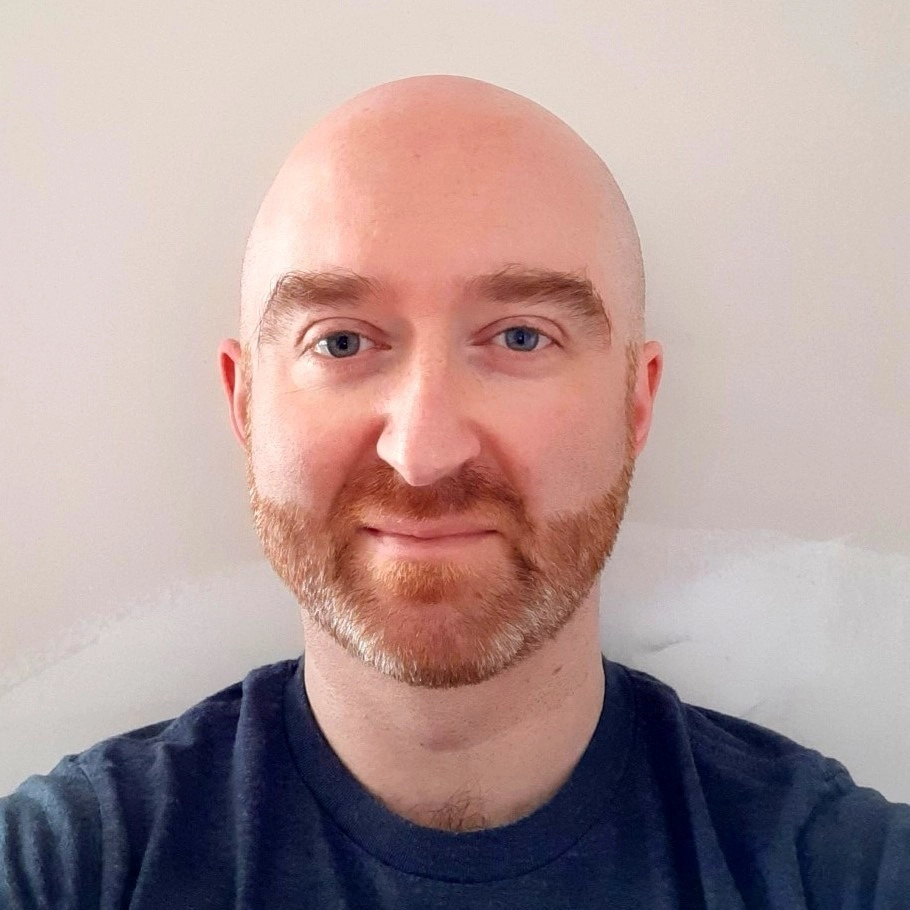
Ronan Ryan is an Irish writer, based in Dublin. His debut novel, The Fractured Life of Jimmy Dice, published by Tinder Press, was one of the Irish Independent Review’s ‘Books of the Year’ and a finalist for The Lascaux Prize. His work has appeared in The Irish Times, Narrative, Boston Review, Banshee, and elsewhere, and was a finalist for the Tobias Wolff Award, the Tucson Festival of Books Literary Award, the Shooter Short Story Competition, the Slippery Elm Prose Contest, the Narrative Winter Story Contest, the Machigonne and Breakwater Fiction Contests, and the ScreenCraft Cinematic Book Competition. He has won The Well Review Award, Bursary Awards in Literature from the Arts Council of Ireland and Dublin City Council, and Writer in Residence posts at the Centre Culturel Irlandais in Paris, the Kerouac House in Orlando, the Heinrich Böll Cottage on Achill Island, and the Užupis Arts Incubator in Vilnius.


