

It was a sinkhole that took my mother-in-law, Spicy, during my Christmas visit as a new, unwelcome bride to the family home in Florida.
A tiny, livid widow tanned almost mahogany, she was sunning herself in the back yard when there was a whooshing sound. She looked with irritation up at my window—as if it was something stupid I’d done—set the washer on the wrong cycle or overfilled a bathtub. She slapped the magazine down on the ground beside her and started to rise.
But then the ground opened up and she disappeared: the whole lawn chair, complete with diet coke, movie mags and her bikinied self, gone with a little, “Oh!” I waited, expecting her to climb out in mud-dredged fury, her reign intact. But she was just gone.
Tad went tearing out, stopping at the edge of the crater and calling, “Mommy?”
I forced myself to go downstairs. Tad was sobbing in the living room, trying to dial 911. I took over the phone.
Rescue came, the fire department, the police. But they were all as helpless as we were, standing around the hole. When we went inside, a fireman with big sideburns pointed out the cracks in the walls: warning signs whose portent no one had understood.
Police tape was stretched along the circumference of the property, another futile gesture to contain the horror. Over the next few days, we all, in our different ways, tried to assign blame and restore some kind of order.
They thought me the destabilizer, showing up with my dippy hostess presents and yawning need for family.
Spicy threw away every present I gave her. She wouldn’t even recycle them, which bothered me more than the rejection. The framed picture of me and Tad and the spendy Marimekko dishtowels were knotted into a double strength garbage bag and placed on the curb by dinnertime.
“Why did she have to come?” Tad’s youngest brother, Chuck, asked in the kitchen on our first night, loudly enough for me to hear.
“Shut up.”
Then Chuck tried a more direct approach, leering at me from the hall. “Don’t go in the garden. There are escaped pythons out there, sixteen footers. Top of the food chain. They even eat alligators; you’d be a snack.”
I rolled my eyes. I had a brother. But the skin on my back inched up.
After dinner, Spicy hauled out her wedding album and smacked the sofa beside her as invitation. We sat, flanking her, obedient.
“This was a real wedding. We weren’t chicken, eloping.” She made it sound sneaky, as if we were hiding stolen property. She paged through the album while pointing at faces Tad identified. I inspected her dress, covered in seed pearls, her ringlets, her glassy smile, and stunned groom. Her citadel in formation.
I glanced around the living room. Twenty-five years of family photos crowded every surface. The early ones included Bob, lost to a heart attack. The rest of them had soldiered on, with practiced grins—at Disney, at miniature golf and the Cheesecake Factory.
I thought my task was to work my way into the good graces of a family, even taking my husband’s name, finally belonging.
I had my own theory about the hole: their water usage was epic. The next morning, Spicy turned on the kitchen tap full blast and left the room. I couldn’t help it: I shut it off after a few minutes. When she returned, she regarded the sink in surprise. I stammered my explanation. “I thought you’d forgotten about it.”
“No. We just like to keep clean,” she said mildly, and turned it on again. That morning, Tad had looked at me quizzically when I told him to go ahead; I didn’t need a shower. He disappeared into the bathroom for 45 minutes.
As I walked the curated streets in the early afternoon and ogled the gorgeous gardens, almost every home had a sprinkler arcing rainbows of water onto its emerald lawn.
I wasn’t far off. Overdraft the groundwater, and the land is no longer supported. It’s not rocket science. But it could have been anyone; there was no real reason it had to happen in Spicy’s yard, to her.
That night we had to leave that old life behind, and find a motel. When we staggered, dazed, into the lobby, we were met by the cheerful, oblivious staff, a plate of corporate chocolate chip cookies and four-hour-old coffee.
A geologist from USF met us in the business center and briefed us about dolostone honeycombed by acid rain, karst, sinkholes and water tables, drawing diagrams on whiteboard. He thought he was helping by adding that at least it wasn’t as big a hole as the one in Daisetta, TX, 900 feet wide and 400 feet deep.
We just stared at him.
What’s more, no insurance covers these so-called Acts of God. The earth’s movements—earthquakes, landslides, sinkholes: none are covered. Our planet is a heaving mass, flinging up mountains, washing away towns, spouting lava, swallowing people whole without a burp. Our planned communities and manicured gardens are but feeble band-aids. And we find relief by swaddling ourselves in insurance policies and security contracts.
They never found her body.
I had to get away. Panicked, I threw my clothes into my bag and called a taxi. I hadn’t signed up for this. Let them deal with their worthless showplace turned object lesson.
The cab pulled up by the motel and I got in.
“Where to?” the cabbie asked.
That stopped me. It had been the airport, but now I had no idea. I wanted to say, “Somewhere safe.” But that was ridiculous. Security had never been part of the deal, for any of us, even Spicy. We are all squatters on this gorgeous and unruly planet.
I climbed out and shoved some bills through the window. “There’s been a mistake,” I said. “I’m so sorry.”
The trunk opened. I dragged my bag out and back into the fray.
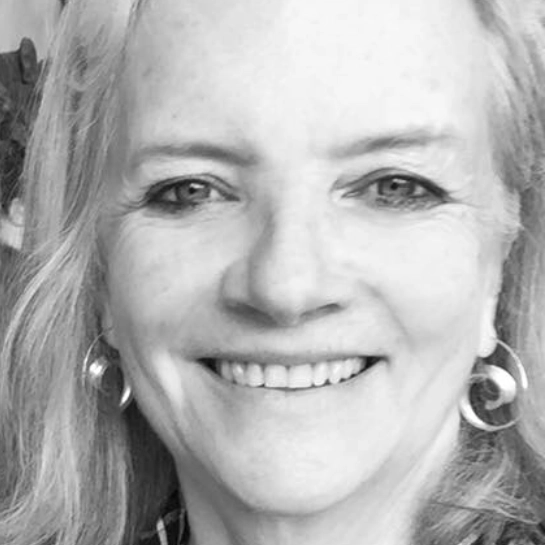
Stephanie Greene is an organizer of the Brattleboro Literary Festival and was a commentator on Vermont Public Radio for nine years. She was Art Editor of and contributor to Print Town: Brattleboro’s Legacy of Words, a history of local printing, publishing, and writing, which won the Next Generation Indie Book Award for Best Overall Design-Nonfiction. Her fiction has appeared in Nostoc Magazine, Green Mountains Review, The New Guard, Flash Fiction Magazine, Sky Island Journal, and The Writing Disorder. It has been nominated for Best of The Net and for a Pushcart Prize. She lives in southern Vermont with her family.


