What Heather McHugh says of Bulgarian poet Blaga Dmitrova’s work in her introduction to Because the Sea is Black (1989) might apply to the poems in translation featured here as they display “reverence for the brave and solitary human gesture […] and, throughout faith in a transcendent understanding.” While there remains much disconnection, division and fragmentation throughout the world, there is also continual striving to strengthen the bonds between us through languages.
What a confluence of love and memory sweep through the lines of Appollinaire’s “The Mirabeau Bridge” with its limpid lines of music. The tension between love and loss—letting go and holding on is captured with grace through the sound/image interplay of language deftly translated from the French by Lynn Levin. How its repeated lines: “Come the night come the day/The hours pass here I stay” resonate and capture our human predicament so aptly
The soul permeates through the poems of Amir Or as it speaks in its deeply human, cosmic loneliness as the child in a place touched by betrayal and pain, wounded to a deeper inner purity that becomes somehow resilience and restoration through the unspoken layers that leave us yearning. What grace and clarity infuse these sheer translations from the Hebrew by Seth Michaelson. Such work brings out the child “returned from oblivion” who will not be silenced.
–Barbara Siegel Carlson
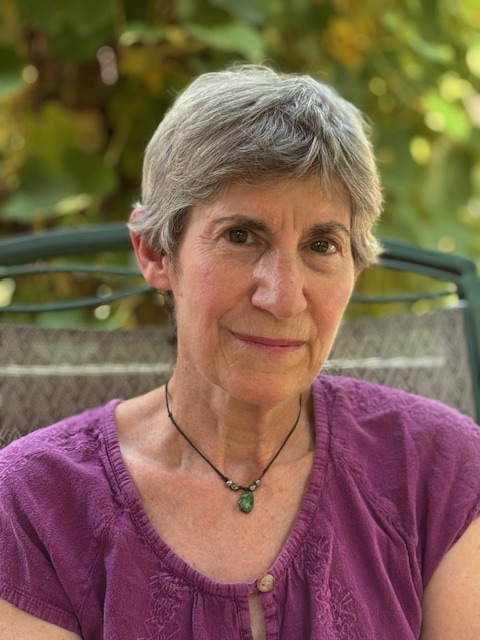
Barbara Siegel Carlson is the author of four books of poetry, most recently Current published by Lily Poetry Review Books, 2026. She is the co-translator (with Ana Jelnikar) of Look Back, Look Ahead, Selected Poems of Srečko Kosovel. Her poetry and translations have appeared in On the Seawall, Verse Daily, Mid-American Review, Salamander, 2River, The Poetry Porch, among others. Carlson is a Co-Poetry in Translation Editor of Solstice.