
Artist Statement:
My work investigates my Vietnamese-Cambodian heritage and our collective memory of wars in Viet Nam, Cambodia, and Laos. The themes of mortality, memory, history, landscape, justice, evidence, and spirituality encompass the work. My technique incorporates my invention of the chlorophyll process, in which photographic images appear embedded in leaves through the action of photosynthesis. My newer body of work focuses on nineteenth-century photographic processes, applying them in an investigation of battlefield landscapes and contemporary memorials. A recent series of daguerreotypes celebrated the United States National Park system during its anniversary year.
One Week’s Dead Series:
When I was in college, I found this June 27, 1969 issue of Life Magazine’s The Faces of the American Dead in Vietnam, One Week’s toll. In this issue, Life Magazine published the portraits and names of 242 US soldiers killed during the Week of May 28 to June 3, 1969, in the Vietnam War. In these portraits, we are reminded that a death in a war is not just a number. But also the end of actual life. These faces are fathers, brothers, sons, and they became part of our collective memories. To photograph is to remember. A photograph is a picture of the past. A photograph is only able to record a slice of time. The documentary filmmaker Ken Burns said, “Photographs are the DNA of our memories.” I love that idea. Photographs give us the instruction to remember.

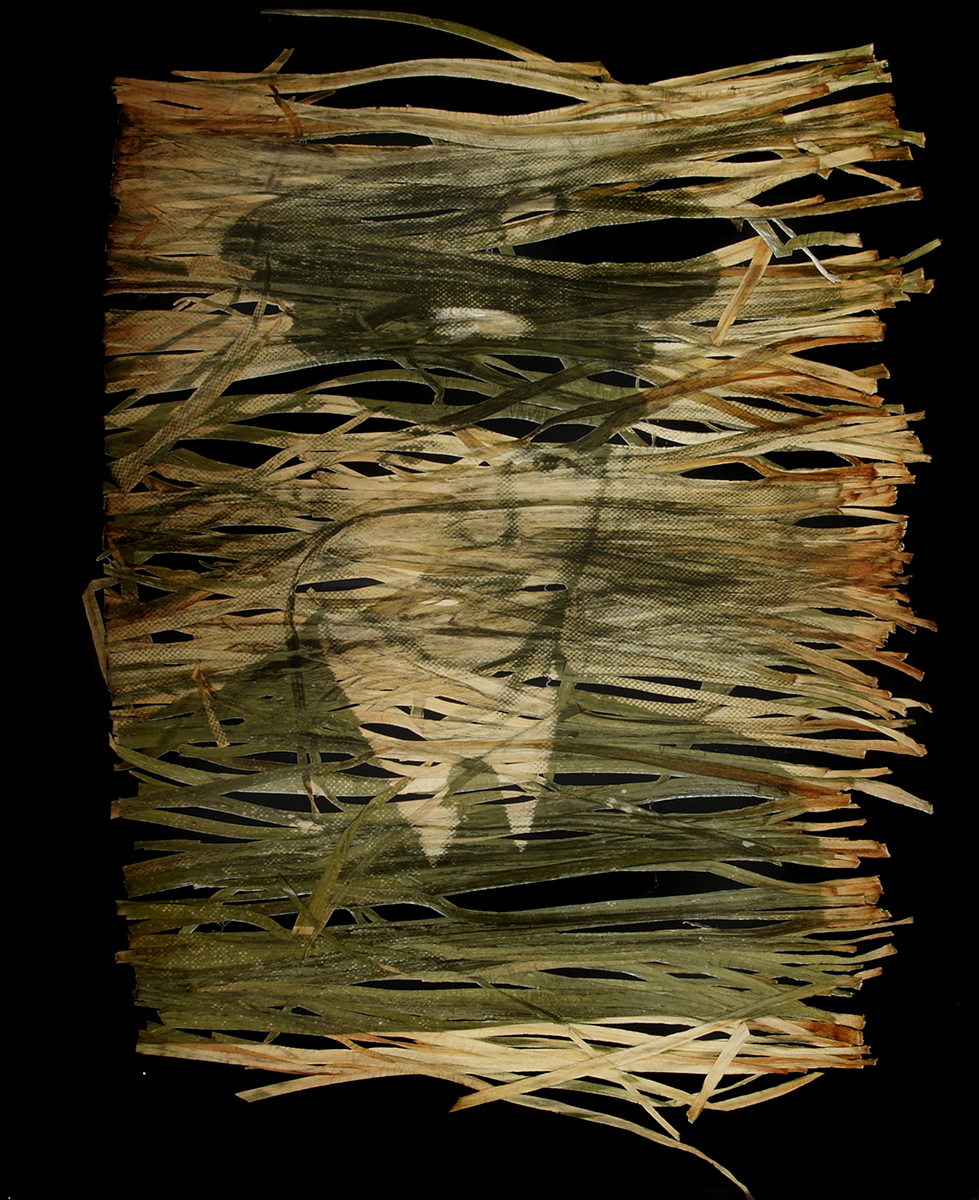


Binh Danh reconfigures traditional photographic techniques and processes in unconventional ways to delve into the connection between history, identity, and place. As a child who immigrated to the US from war-torn Vietnam in 1979, the memories and trauma of his diasporic experience serve as the foundation for his investigative practice. In his highly acclaimed series of chlorophyll prints, Danh uses photosynthesis to print portraits from the Vietnam War era directly onto the surfaces of leaves. Danh is also noted for his contemporary daguerreotypes of national parks. Their reflective surfaces enable people of all backgrounds to see themselves as a part of the beauty of the American landscape.
He earned a BFA from San José State University and an MFA from Stanford University. His awards include a Eureka Fellowship from the Fleishhacker Foundation, San Francisco, and recently, a 2019 Creative Work Fund, collaborating with the Visual and Performing Art Department at the California State University, Monterey Bay. His work has been collected by the Fine Arts Museums of San Francisco; Museum of Fine Arts, Boston; National Gallery of Art, Washington; San Francisco Museum of Modern Art; and San Jose Museum of Art, among others. He is an assistant professor of art at San José State University.


